Electrical fires differ from wood or paper fires. Live currents create heat. You cannot treat them like normal flames. Water causes shock. Knowledge saves homes. You must learn how to put out an electrical fire properly. Do not panic when sparks fly. Quick action prevents disaster. Home safety relies on preparation. Identify the source. Cut the power. Use the correct tools. Fire spreads fast. Seconds count. Protect your family. Understand the risks of high voltage. Do not let fear paralyze you. Act with logic. Control the situation. Safety is your goal.
Recognizing the Early Signs of an Electrical Fire
Signs appear before flames. Senses warn you. Smell the air. Look at the walls. Listen to the panel. Do not ignore small clues. Catch the problem early.
Identifying Burning Smells and Fishy Odors
Plastic emits a sharp scent when hot. Fishy odors signal danger. Wires melt inside the walls. The nose detects heat first. Do not dismiss strange smells. Investigate the source immediately. Check all rooms. Appliances might smoke. The scent lingers. Sniff around outlets. The odor gets stronger near the fault. Trust your gut. A fishy smell means hot wires. Act fast.
Spotting Discolored Outlets and Scorch Marks
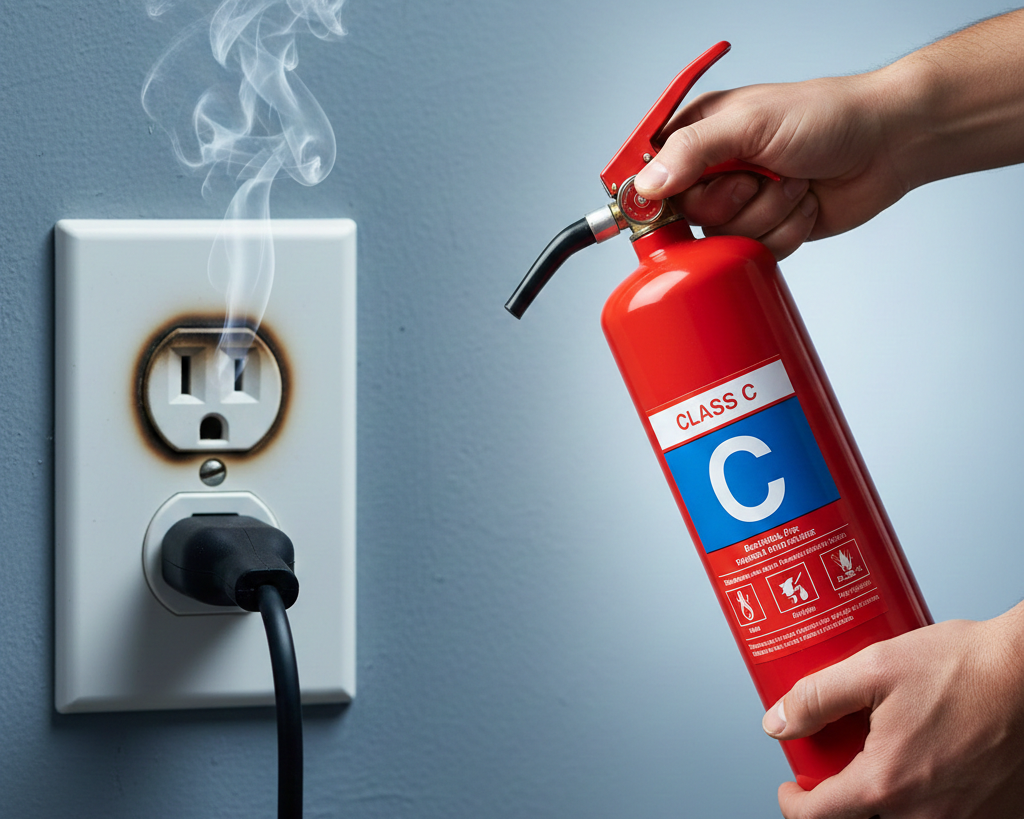
Wall plates change color. Brown marks appear on white plastic. Smoke leaves trails. Heat distorts the shape. Touch the faceplate. Warmth indicates trouble. Look closely at the plugs. Black soot signals a spark. Do not use that outlet. Unplug devices. The damage is visible. Replace the unit. Scorch marks prove heat presence. Fire starts here.
Dealing with Breakers That Constantly Trip
Circuits trip to protect wires. The switch flips off. Reset it once. If it trips again, stop. The system detects overload. Heat builds up. Wires cannot handle the load. Constant trips mean danger. Do not force the switch. Call an expert. The breaker prevents fire. Listen to the click. It warns you of faults. Respect the limit.
Step-by-Step Guide on How to Put Out an Electrical Fire
Action is required now. Follow a strict order. Mistakes cost lives. Memorize the plan. Learn how to put out an electrical fire safely. Keep a clear head.
Step 1 is to Cut the Power Source Immediately
Go to the breaker box. Find the main switch. Flip it to “Off”. Cut the current flow. Electricity feeds the heat. The fire needs power. Stop the source. Do not touch the device. Pull the plug if safe. Disconnect the energy. The sparks will stop. Safety starts here. Isolate the circuit. Remove the fuel. Power down the home.
Using a Class C Fire Extinguisher
Grab the red tank. Read the label. Look for the letter “C”. This class fights current. Aim the nozzle low. Target the fire base. Squeeze the lever. Sweep side to side. Do not use water. Foam might conduct. “C” means safe for voltage. Check pressure often. Keep one nearby. Use the right tool. Suppress the flame.
Using Baking Soda for Small Appliance Fires
Kitchens hold a secret weapon. Baking soda works on small flames. It contains sodium bicarbonate. The powder releases carbon dioxide. Oxygen gets cut off. Do not use flour. Flour burns fast. Sugar melts and sticks. Grab the soda box. Pour it over the toaster. Smother the heat. Cover the area. It acts like a mini extinguisher. Use a thick layer.
Using a Heavy Blanket to Smother Flames
Fabric can kill fire. Use a heavy fire blanket. Wool works well. Do not use synthetics. Plastic melts on skin. Throw the cloth over the fire. Cover it completely. Seal the edges. Oxygen cannot enter. The flame suffocates. Wait for the heat to drop. Do not lift it early. Let the fire die. Protect your hands. Smother the danger.
Dangerous Mistakes to Avoid During an Electrical Fire
Panic leads to severe errors. Water acts as the enemy. It conducts current. You risk severe shock. The liquid stream connects you to the grid. Never throw water on a live wire.
- Do not use standard Class A extinguishers. Wet chemical foam creates hazards.
- Do not fan the flames. Air feeds the fire.
- Avoid the use of towels. Fabric might catch fire.
- Stay away from fumes. Toxic gas harms lungs.
- Do not wait to act. Hesitation allows growth.
- Do not try to act like a hero. Tackle large fires with professional help.
When to Evacuate and Call the Fire Department
Fire grows out of control. Smoke gets thick. Heat becomes intense. Leave the house. Do not save items. Grab your family. Close doors behind you. This slows the spread. Get to fresh air. Call the fire department. Dial the emergency number. State your address. Tell them it is an electrical fire. Do not go back inside. Wait for help. Firefighters have the gear. Your life matters more. Material things replace easily. Do not risk health. Stay at the meeting point. Count heads. Ensure safety for all. Help will arrive.
Essential Tips to Prevent Future Electrical Fires
Stop fires before they start. Check all cords for damage. Look for cracks on the insulation. Wires should look new. Do not hide cords under rugs. Heat gets trapped underneath. Replace damaged cables immediately. Safety requires effort. Prevention saves money.
- Use surge protectors.
- Do not overload power strips.
- Call a pro for system checks.
- Upgrade panels in old homes.
- Keep appliances free of dust.
- Unplug unused devices.
- Teach the family about risks.
- Inspect the home often.
Conclusion
You understand the steps. Safety is a choice. Power down first. Use the right extinguisher. Avoid water. React with speed. Know how to put out an electrical fire. Practice the plan. Check your tools. Keep the home safe. Protect your loved ones. Awareness prevents tragedy. Be ready today.