
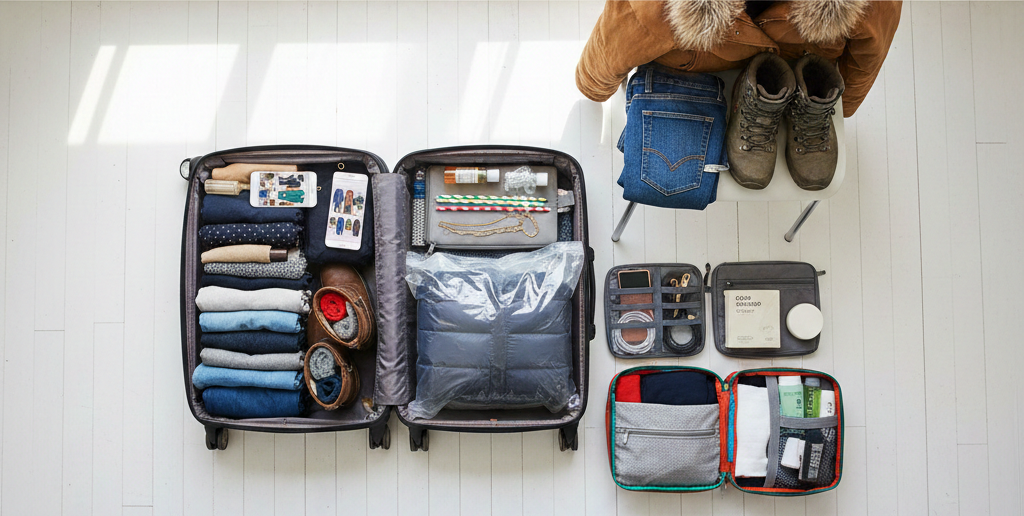
Frequent flyers often struggle with baggage weight and airport speed. These issues lead to stress and extra fees during every trip. You can avoid these problems by changing your approach to packing. Are you ready to transform your travel habits with 2026 insights?
Why Your Packing System is Failing?
Most travelers approach a suitcase with “just in case” anxiety. You likely pull items from your closet based on emotion rather than data. This habit leads to a heavy bag filled with things you never wear. Research indicates that 60% of travelers pack more clothing than they actually use during their stay.
Frequent flyers also fail because they lack a consistent spatial strategy. You might treat your luggage like a bin instead of a precision tool. A disorganized bag increases decision fatigue and wastes time at your destination. Do you want to spend your vacation digging for a clean pair of socks?
15 Genius Travel Packing Hacks Every Frequent Flyer Needs to Know
- Start with a “Brain Dump” List
Effective packing begins weeks before you reach for your suitcase. You should maintain a running “brain dump” list on your phone or a digital document. This list acts as a catch-all for every item you think you might need.
- Write down every essential as it comes to mind.
- Categorize items by function like “Tech,” “Health,” or “Daily Wear.”
- Review the list three days before your trip to delete unnecessary items.
Statistics show that the human brain adores lists for reducing cortisol levels. You will feel more in control once your needs are visible in black and white. Have you ever remembered a vital charger at 3 AM and forgotten it by morning?
- The 5-4-3-2-1 Rule for Minimalist Success
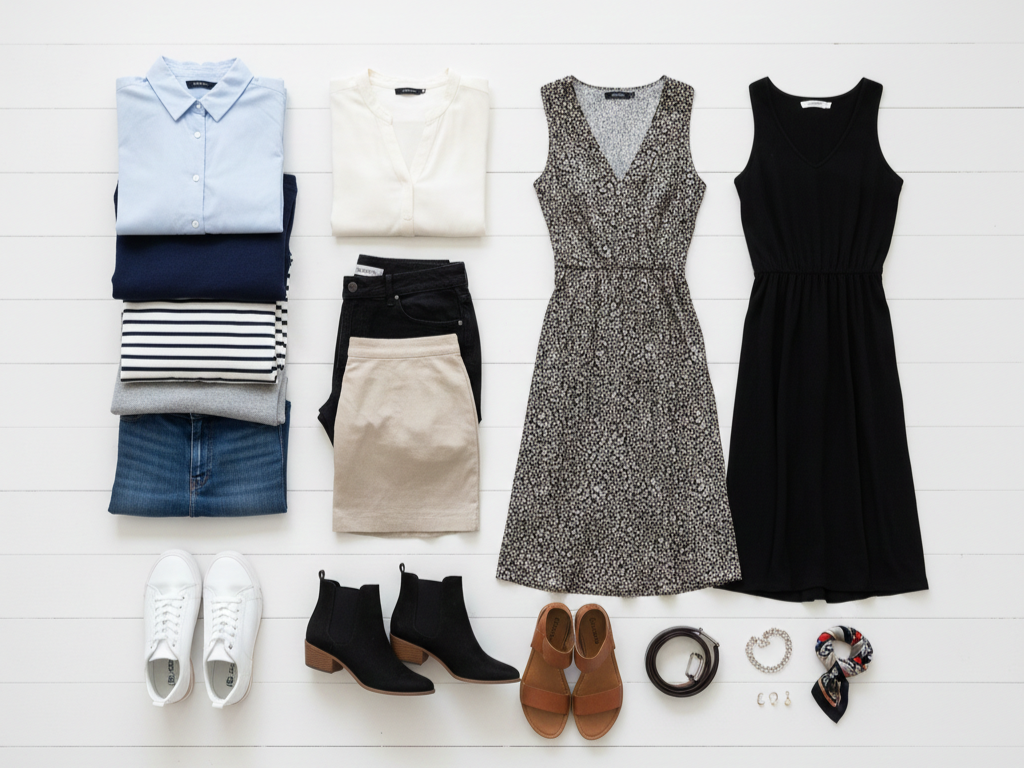
The 5-4-3-2-1 method is a straightforward formula that helps you pack exactly what you need for trips up to two weeks. It strikes the perfect balance between simplicity and versatility.
- 5 Tops
- 4 Bottoms
- 3 Pairs of shoes
- 2 Dresses or extra outfits
- 1 Set of accessories
This approach is ideal for those who want to travel light and organized. You ensure you have everything you need without overpacking. Most trips only need a few well-chosen pieces that mix and match.
- Build Your “Digital Lookbook” on Your Phone
Avoid overpacking by pre-planning daily outfits based on your travel capsule wardrobe. You should lay your clothes on your bed and photograph each complete look. This “Digital Lookbook” removes the guesswork from your mornings abroad.
- Take a photo of each outfit including shoes and jewelry.
- Store these images in a dedicated “Travel” album.
- Refer to the album to avoid “what do I wear” debates.
You will save significant brainpower when you have a visual guide for your week. Research suggests that planning outfits in advance streamlines the entire packing process.
- Why Vertical Stacking Beats Flat Folding
Standard flat folding creates hidden layers in your suitcase. You should stack your clothes vertically like books on a shelf. This Marie Kondo-inspired method ensures every item remains visible at a single glance.
Vertical stacking reduces “unworn item” waste by 15% on average trips. You avoid the “luggage tornado” where clean clothes get buried under a messy search. Most travelers find that seeing every shirt prevents them from over-buying souvenirs they don’t have room for.
- Using “Dead Space” Inside Your Shoes
Shoes are often the bulkiest items in any bag. You should maximize this space by stuffing small items like socks, chargers, or a travel-sized perfume inside. This strategy protects fragile items and prevents your shoes from being crushed.
- Fill gaps inside sneakers with rolled underwear.
- Use shoe bags to protect your clean clothes from dirt.
- Place the heaviest footwear at the bottom of your bag near the wheels.
Statistics indicate that 3.4 ounces or 100 ml is the limit for liquids in carry-ons. You can use the sturdy walls of your boots to protect these small containers. Do you really want to waste the hollow interior of your favorite pair of boots?
- The Magic of Manual Compression Bags
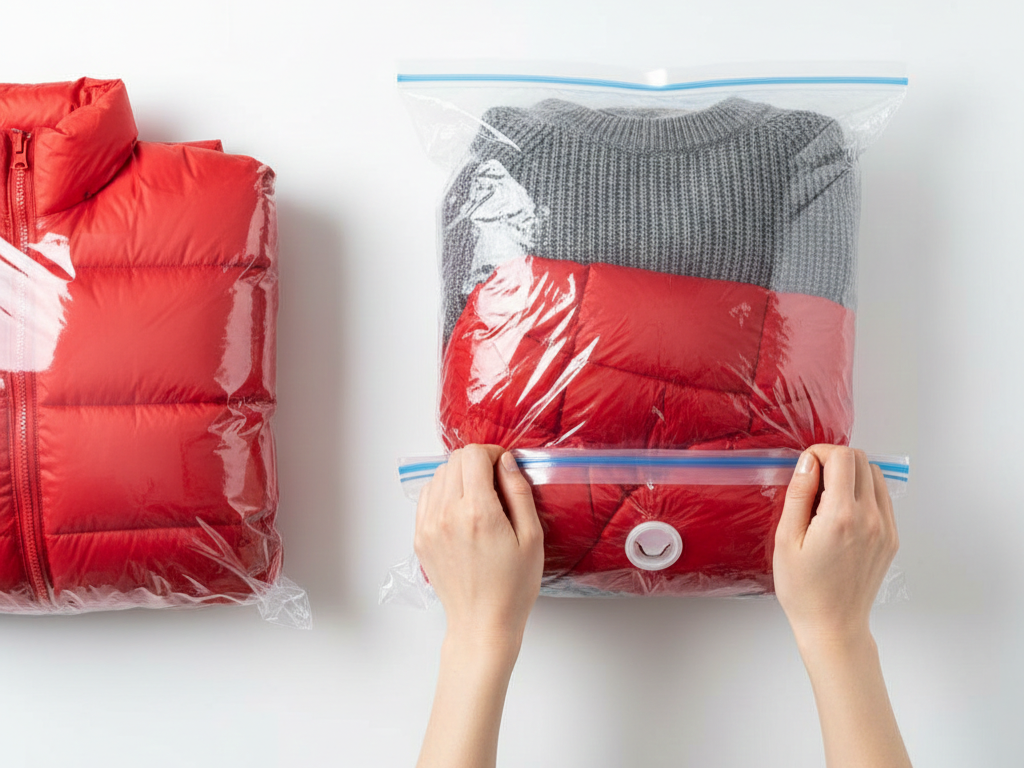
Vacuum pack bags are an amazing packing hack for winter travel. You won’t believe how tightly they can pack even the bulkiest of items like puffer jackets or sweaters. You can find manual versions where you simply roll the bag to push the air out.
- Place bulky items flat inside the compression bag.
- Seal the zipper and roll from the top to the bottom.
- Watch as your gear shrinks by up to 60%.
These bags are ideal for travelers who want to fit everything into a carry-on. You protect your clothing from moisture and odors simultaneously. Most users report that manual pumps remove even more air for high-volume gear.
- The “Cotton Pad” Trick for Makeup
Makeup can easily crack when traveling, especially pressed powder. You should put a single cotton pad inside the compact before closing the lid. This simple step softens the blow if your bag gets tossed around during transit.
Makeup cracking results in a mess of powder everywhere in your cosmetics bag. The global travel accessories market for personal care is booming because people want to protect their investments. You will save money by avoiding the need to replace expensive bronzers or blushes.
- Prevent Tangles with the Simple Straw Hack
Frequent flyers often face a mess of tangled necklaces in their jewelry bags. You should thread each necklace through a reusable or paper straw before fastening the clasp. This is a foolproof way to prevent “chain knots” during your flight.
- Insert one end of the necklace through the straw.
- Fasten the clasp on the outside.
- Place the straws in a slim pencil case.
This neat little trick will prevent any of the metal from tangling with other pieces. You will save hours of frustration trying to unknot fine gold or silver chains.
- Use Silicone Seals to Stop Liquid Leaks
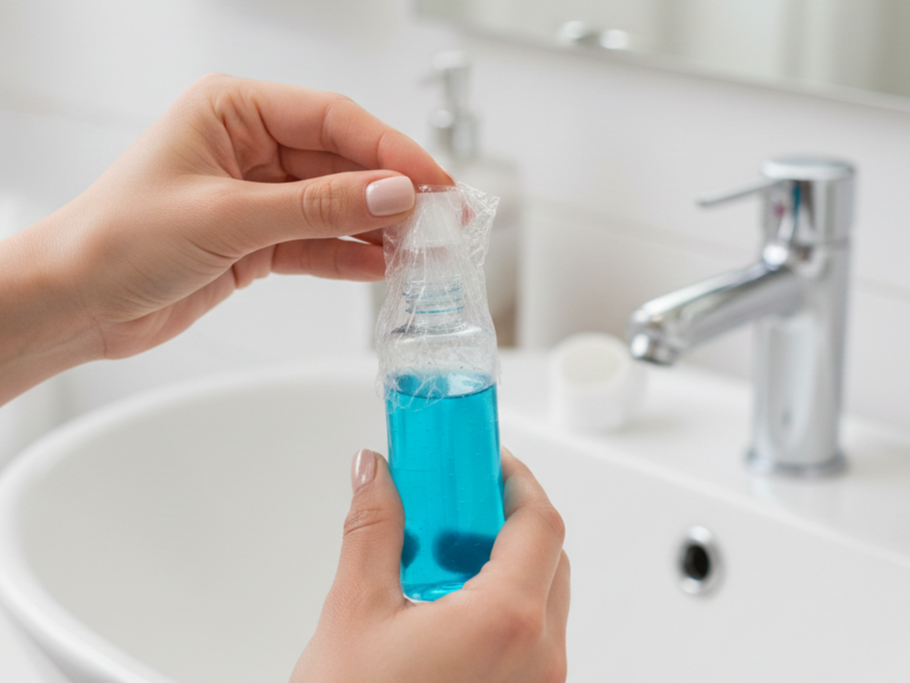
Cling-wrap is light, compact, and extremely versatile for preventing spillages. You should unscrew the bottle cap of any liquid toiletry and place a square of wrap over the opening. Screw the lid back on to create an airtight seal.
Air pressure changes in the cabin often cause liquid expansion and subsequent leaks. A double seal ensures your clothes remain dry and clean. Statistics show that “shampoo explosions” are a top-three travel annoyance for frequent flyers.
- The “Zero-Pocket” Rule for Security Lines
Security lines move slowly because people fumbled with pocket items at the bin. You should place your phone, wallet, and keys into a dedicated mesh bag before you reach the airport terminal. This “zero-pocket” strategy allows you to glide through the scanner with zero friction.
Airlines have reported a 9% increase in passenger volumes this year. You protect your valuables from falling out of plastic airport bins by keeping them in one zipped pouch. This preparation makes you a pro-level traveler who respects everyone’s time.
- Create a Permanent “Go-Bag” for Cables
Travelers often struggle with tangled electronics or forgotten phone chargers. You should use a dedicated cable organizer to keep every cord neatly coiled and separated. This “Go-Bag” should stay packed even when you are at home.
- Roll cables and secure them with hair bands or Velcro ties.
- Use various compartments for different device types.
- Check the empty spaces to immediately spot if a charger is missing.
If you don’t have a lot of cables, a simple sunglasses case works as a great substitute. Statistics show that the “3-1-1” liquids rule is famous, but “cord chaos” is the real productivity killer.
- Why You Should Swap Liquids for Solids
Switching to dry solid toiletries is a packing tip for those who want to save space. You avoid the 100ml liquid limit entirely by using bar shampoo and solid deodorant. These products are often chemical-free and more natural for your skin.
Because of the more ethical approach of brands, solid bars are generally more organic. One shampoo bar can provide up to 80 washes, which outlasts three standard travel bottles. You contribute to a greener environment while keeping your carry-on light.
- The Pillowcase Hack for Extra Storage
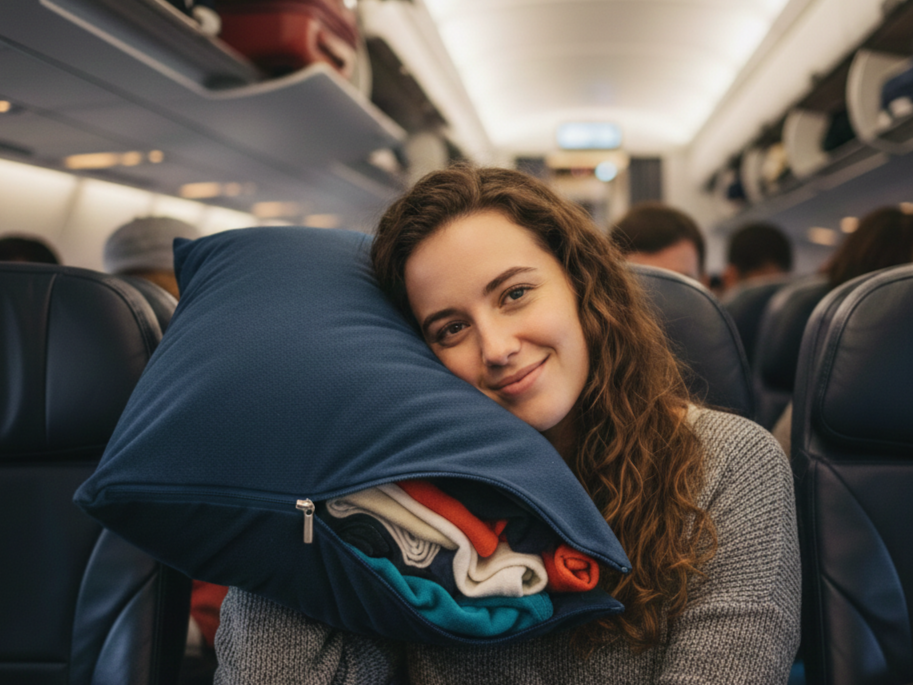
If your carry-on is slightly overweight or full, you can use a zippered pillowcase as a “secret” bag. Most airlines do not count a pillow as a personal item or a piece of luggage. You can stuff your softest sweaters or jackets inside to create a comfortable travel pillow.
- Choose a standard-sized zippered pillowcase.
- Pack non-wrinkle items like fleeces or t-shirts.
- Carry it onto the plane to save prime space in your suitcase.
This trick is a favorite among minimalist travelers who refuse to pay extra baggage fees. You get a better night’s sleep on the plane and extra storage for free.
- Wear Your Heaviest “Rocks” on the Plane
Probably the most ubiquitous advice for travel packing is to wear your heaviest items. You should wear your winter boots, bulkiest jacket, and heaviest jeans during transit. This common-sense move saves significant weight and volume in your checked bag.
When you wear your “rocks,” you leave room for the “sand” and “pebbles” in your suitcase. This easily saves 5kg or 10 pounds of luggage weight on average. You will also be better prepared for the freezing air in plane cabins.
- The 24-Hour “Survival Kit” in Your Carry-On
Losing your checked luggage is a nightmare that happens to thousands of travelers every year. You should always pack a “first-night” cube in your carry-on bag. This kit ensures you have everything you need for the first 24 hours of your trip.
- One clean outfit and extra underwear.
- Essential toiletries and medications.
- Your phone charger and international adapter.
Statistics from major carriers suggest that most “lost” bags are returned within 48 hours. You will feel much calmer if you already have a fresh change of clothes and a toothbrush ready. Have you ever considered how much better your first day would be if your bag didn’t show up?
Final Thoughts
Packing smart is about choosing versatile, mix-and-match pieces that work across multiple situations. You don’t need a massive suitcase to look stylish and feel prepared. By using these travel packing hacks, you can simplify your travel preparations and focus on the experience.