Have you ever wondered about the reality of forensic work? Television shows often glamorize the job. You might want to know exactly what are some challenges that crime scene photographers face. Professionals capture crucial evidence for court cases. They document locations with precision. Their work preserves details permanently. You will discover the true demands of the profession below.
Environmental and Physical Hurdles in the Field
Investigators step into unpredictable environments daily. You can imagine the harsh conditions at outdoor locations. Forensic experts must adapt to severe weather. Bad elements destroy crucial trace evidence quickly.
Unpredictable Weather and Lighting Conditions
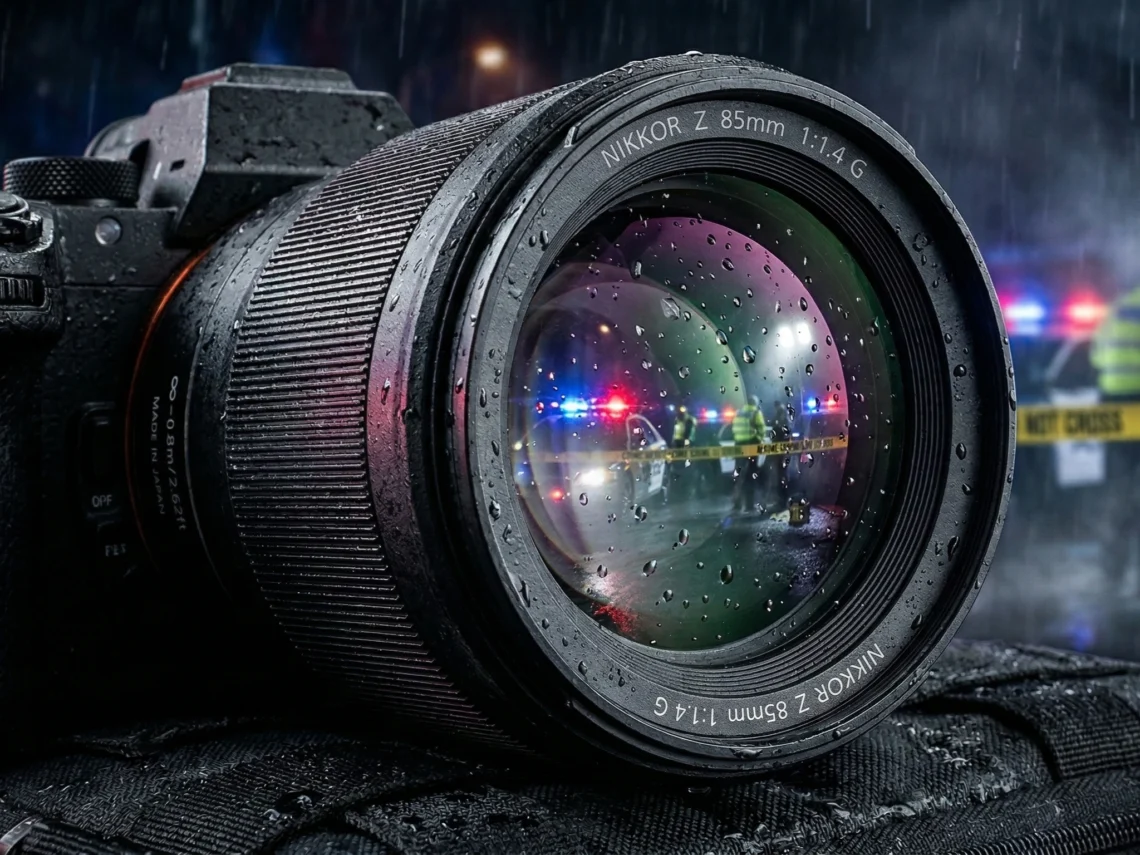
Nature presents severe obstacles. Rain washes away crucial blood stains. Sun glare ruins pictures of reflective surfaces. Professionals must adapt to different times of day. Nighttime locations lack natural light completely. You will see experts use portable illumination. They employ alternate light sources like ultraviolet beams. Such tools reveal hidden prints or fluids. Long exposure shots help in dark areas. High ISO camera adjustments capture better pictures at night. Do you know how hard dark environments are? Bad illumination hides important clues. Oblique light creates shadows to show textures. The elements constantly fight the forensic process.
Navigating Biohazards and Structural Dangers
Safety remains a top priority at dangerous locations. Fire scenes present severe structural instability. Arson incidents leave behind soot and heat damage. Experts must walk carefully to avoid collapsed floors. Do you realize the danger of chemical spills? Toxic substances require full protective gear. You must wear heavy suits to stay safe. Bulky gear makes camera operation difficult. Biological hazards like blood pose infection risks. Professionals step cautiously around sharp debris. Damaged vehicles at accident sites have jagged metal. Proper protocols keep the personnel safe from harm. The job demands immense physical awareness at all times.
Working in Confined and Awkward Spaces
Cramped areas restrict movement significantly. Photographers often document evidence in tiny closets. They squeeze into small bathrooms. Do you know how hard wide shots are in tight spots? Wide-angle lenses become essential here. Professionals need to capture the broader context of the room. They must avoid contact with nearby objects. Sometimes experts crawl under vehicles to snap photos. They contort their bodies to get the perfect angle. Awkward positions cause physical strain over time. Tripods do not fit in small spaces. The photographer must hold the camera steady manually. Every corner holds potential clues for the case.
Technical and Equipment Limitations
Cameras and lenses cost a lot of money. The equipment requires regular maintenance. Professionals carry heavy gear to every location. You must understand the technical demands of the profession.
The Fight Against Cross-Contamination
Evidence integrity relies on strict cleanliness. Forensic experts cannot leave their own footprints behind. They wear gloves to prevent fingerprint transfer. Do you know how hard buttons are to press with thick gloves? The gear itself poses a contamination risk. Tripod legs touch the floor and pick up debris. Professionals must sanitize their tools constantly. They wrap cameras in protective covers at messy scenes. Every item requires careful care. One mistake ruins the case for the attorneys. The staff follows strict procedures to preserve the original state. Cleanliness ensures the facts remain pure for the courtroom.
Capturing Fleeting and Invisible Evidence
Some clues disappear quickly. Footwear impressions in snow melt fast. Wet blood dries and changes color. You must wonder how professionals beat the clock. They prioritize fragile items immediately. Invisible clues require advanced methods. Experts use software to create three-dimensional models. They employ macro lenses with one-to-one magnification for tiny fibers. Infrared beams highlight gunshot residue on dark clothes. Lasers show bullet trajectories clearly. Do you see the complexity of the task? The photographer uses specialized scales next to the items. Accurate size references matter for the analysis. Fast action saves the fragile clues from destruction.
Legal Pressures and Protocol Demands
The justice system requires absolute accuracy. Courtrooms demand unbiased visual records. Photographers must defend their images in front of juries. You will see how strict the legal rules are.
The Digital Chain of Custody and File Security
Photographs serve as permanent legal records. Courts reject altered pictures. You must understand the chain of custody. Professionals follow strict protocols:
- Secure memory cards immediately after the job.
- Never delete bad pictures from the camera.
- Track the exact time and location.
Every snap counts as official documentation. Does the digital security surprise you? Experts use specific software to prove the files remain original. The log includes camera adjustments for every shot. Juries need complete confidence in the visual facts. The photographer testifies to defend the validity of the work. Strict data rules prevent claims of alteration.
Coordinating with Active First Responders
Crime locations are busy places. Paramedics rush to save victims. Police officers secure the perimeter boundaries. You can see the chaos at a fresh incident. The photographer must work around the active personnel. Life safety always comes first. Evidence sometimes gets stepped on by medical staff. The expert communicates effectively with the law enforcement officers. They follow different protocols simultaneously. Do you know how much patience the job requires? The forensic staff waits for the right moment to step in. They shoot overall pictures from a distance first. Teamwork ensures the protection of both life and clues.
The Hidden Toll: Psychological and Emotional Impact
The profession takes a heavy toll on mental health. Forensic staff see the darkest parts of society. You must consider the emotional weight of the job. Professionals need immense resilience.
Processing Graphic and Distressing Scenes
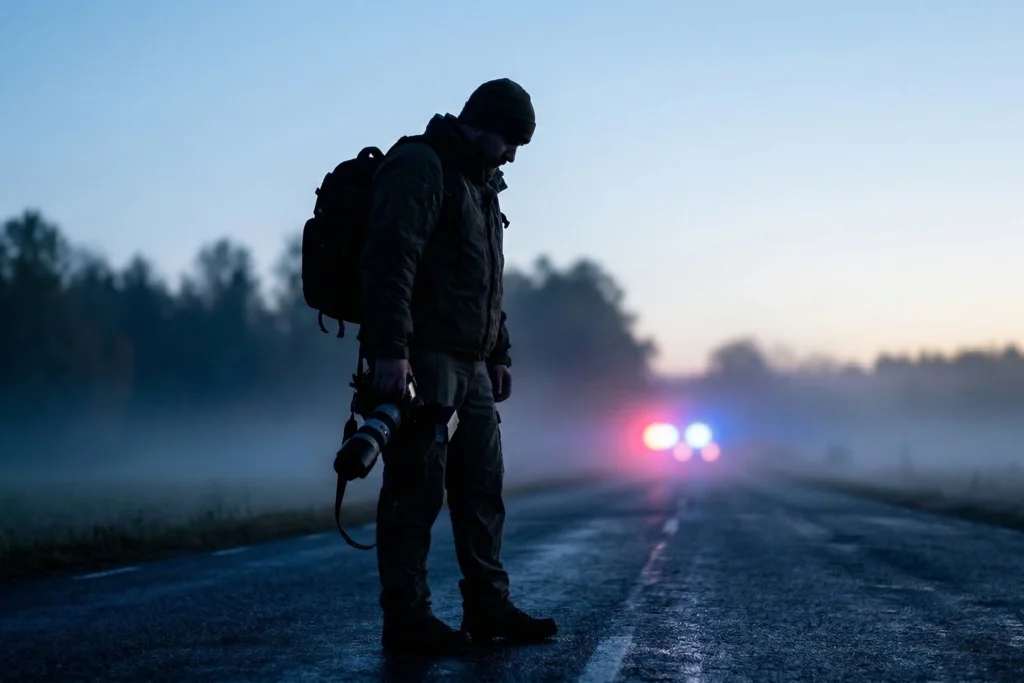
Forensic experts encounter terrible sights daily. Autopsy pictures show severe injuries up close. Accident locations involve massive destruction. You might wonder what are some challenges that crime scene photographers face internally. The emotional impact builds up over time. Photographers look at violence through a high-definition lens. They document bruises and fatal wounds. The mind absorbs the traumatic details. Do you think you could handle such sights? Professionals must maintain complete emotional detachment. They focus purely on the technical aspects of the camera. The job requires a strong stomach. Graphic environments leave lasting mental scars on the staff.
Coping Mechanisms and Mental Health Support
Agencies recognize the severe mental strain now. Professionals rely on specific strategies to survive the stress. They talk to peer support groups regularly. Therapy provides a safe space for the trauma. You can see the importance of mental health care. Experts separate their work from their personal lives. Hobbies and family time help clear the mind. Do you know how crucial a healthy routine is? The industry promotes regular breaks away from the field. Supervisors monitor their teams for signs of burnout. Proper emotional support ensures the staff remains effective. A healthy mind produces better investigative results.
Conclusion
The job requires immense skill and patience. You now know exactly what are some challenges that crime scene photographers face. Professionals overcome bad weather and emotional trauma. They follow strict legal rules to protect the truth. The visual facts help juries make fair decisions. Forensic photography remains a vital tool for the justice system. The dedication of the staff ensures the accurate reconstruction of every incident.